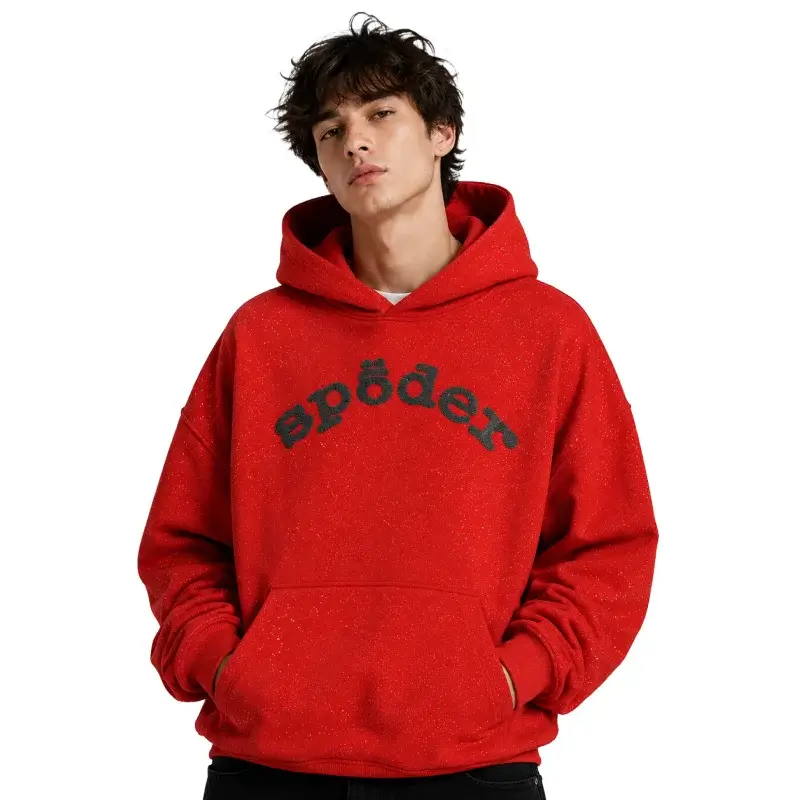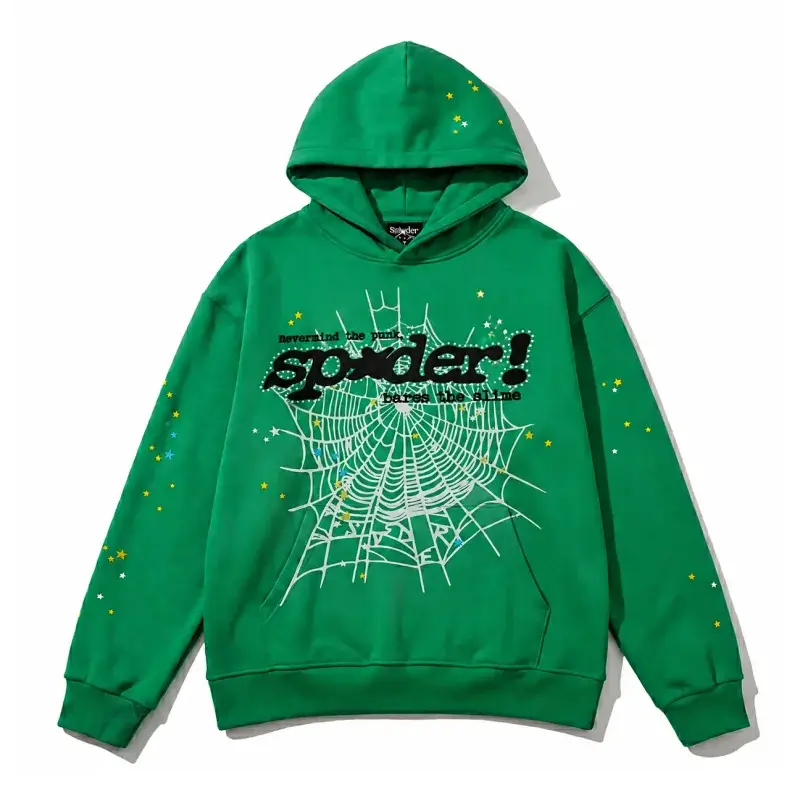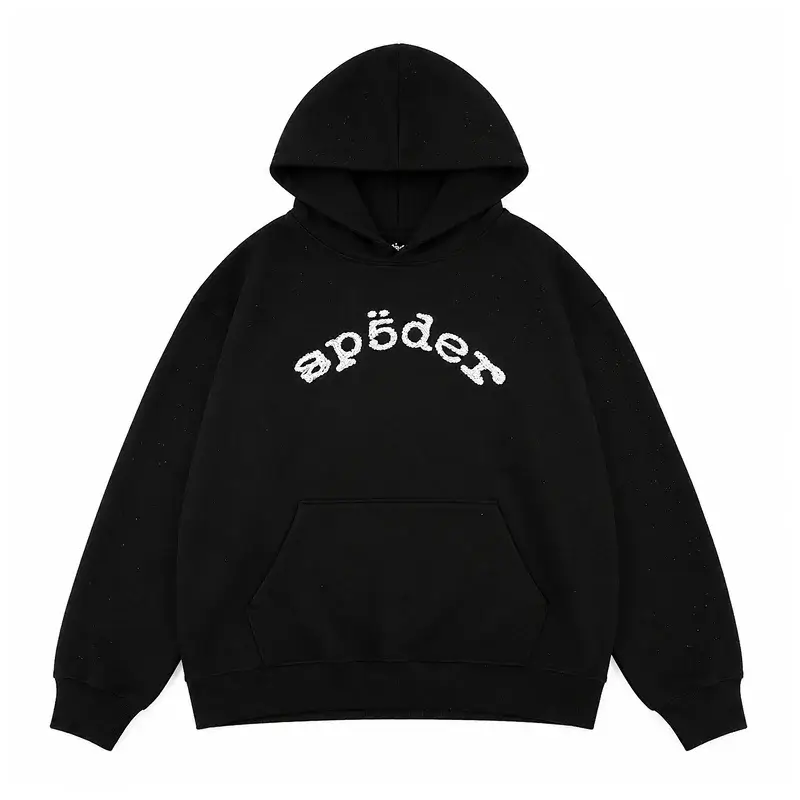
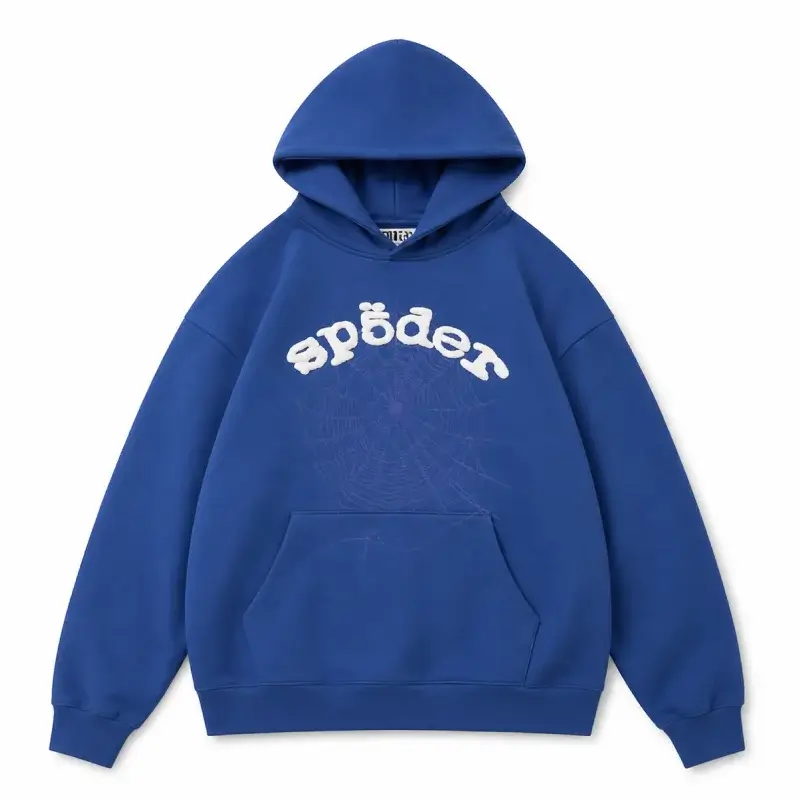
A hoodie is a sweatshirt with a hood. That is the whole technical difference, and every hoodie is a sweatshirt, but not every sweatshirt is a hoodie. The part people actually care about is what that hood does to the fit, the warmth and the vibe of an outfit, and that part is bigger than one extra piece of fabric suggests.
The hoodie and the sweatshirt share the same body, knit fleece or French terry with ribbed cuffs and hem, and the hoodie adds a hood, usually a drawcord and usually a front pocket. In everyday American talk, “sweatshirt” on its own tends to mean the crewneck version with no hood. So when someone asks this question, they almost always mean hoodie vs crewneck. Fine. That is the fight we are here for.
| Feature | Hoodie | Crewneck sweatshirt |
|---|---|---|
| Neckline | Attached hood, often with drawcords | Round ribbed collar |
| Kangaroo pocket on most pullovers, split pockets on zip-ups | Usually none | |
| Closure | Pullover or full zip | Pullover only, as a rule |
| Warmth | Warmer, the hood covers neck and head | Leaves the neck open |
| Layering | Great under an open jacket, bulky under a coat collar | Slides under blazers, coats and overshirts cleanly |
| Style read | Streetwear, relaxed, louder | Cleaner, a notch dressier |
| Best canvas for | Big chest graphics, back prints, rhinestone work | Small logos, collegiate text, minimal fits |
The sweatshirt started as football practice gear. Russell Athletic’s own company history credits Benjamin Russell Jr., a University of Alabama football player, with asking his father in 1926 for a cotton alternative to the itchy wool jerseys his team practiced in, and the Alabama mill turned that idea into the crewneck sweatshirt.
The hoodie came out of cold work, not sport. Champion’s company history, as summarized on Wikipedia and in most accounts of the garment, says the brand made hooded sweatshirts in the 1930s for workers in upstate New York cold-storage warehouses, and athletes picked them up soon after. So the crewneck was built to run in, and the hoodie was built to stand around in a freezer. Honestly, that still tracks with how people wear them.
A hoodie is warmer than a crewneck sweatshirt of the same fabric, because the hood closes the gap at your neck where heat escapes and gives you instant head cover. Even down, a hood sits bunched around the collar like a scarf you did not have to remember. The bigger warmth lever is still fabric weight, though. A light hoodie loses to a heavy crewneck every time, which is why our breakdown of heavyweight vs midweight hoodies and what GSM means matters more than the hood question if you run cold.
The hoodie wins for streetwear, and it is not close. A hood adds shape up top, frames the face, and balances baggy pants or wide cargos so the whole fit looks deliberate instead of sleepy. The crewneck wins when you want clean: under a wool coat, over a collared shirt, at a dinner where a hood reads as “I just left the gym.” My take? Own both, but if you only buy one statement piece, make it a hoodie. A crewneck whispers. A good hoodie talks.
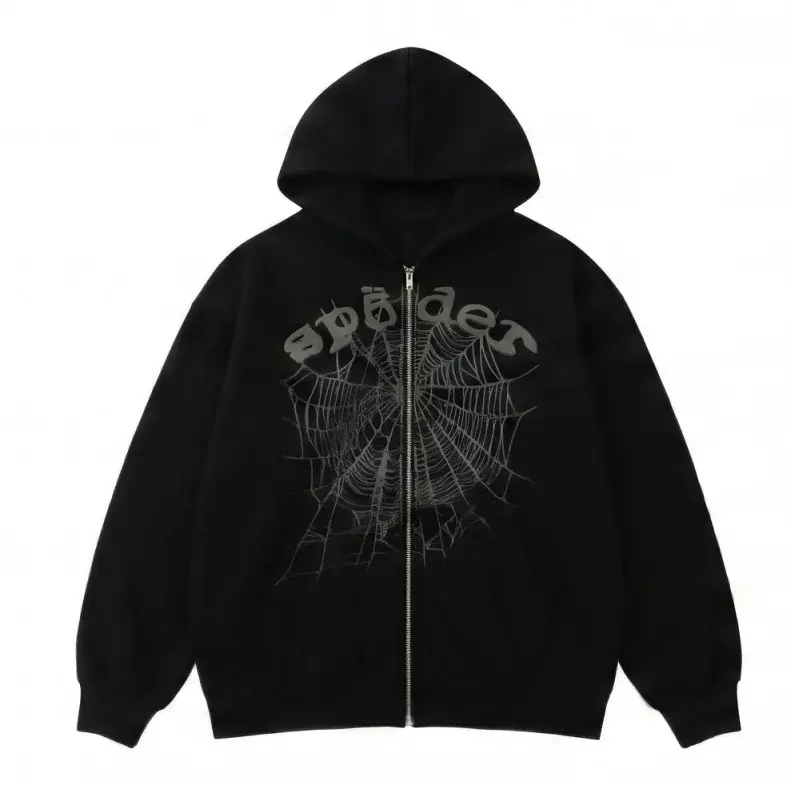
A pullover hoodie is the better pick for graphics, and a zip-up hoodie is the better pick for layering. The pullover gives a front print one unbroken panel, which is why most loud designs live there. The zip-up works like a light jacket you open and close as the room changes, and a black full zip like the OG Web V2 Phantom Zip Up keeps the web graphic readable even worn open over a white tee.
Pick a crewneck sweatshirt when the sweatshirt is a middle layer, not the main event. It sits flat under a coat collar, it does not fight a backpack strap or a headrest, and it works with a button-down peeking out at the neck. If you are wearing a hoodie under a hooded parka, stop. Two hoods is a traffic jam.
A good hoodie comes down to four checks, and you can run them in thirty seconds.
If you want to see what that looks like in practice, the full Spider hoodie collection covers pullovers and zip-ups in every color we carry, and the rhinestone hoodies are the ones for people who think a crewneck is too polite. Want the top and bottom sorted in one move? A matching sweatsuit set takes the guesswork out of it.
Yes, a hoodie is a type of sweatshirt. It uses the same knit fabric and construction and adds a hood. People say “sweatshirt” to mean the hoodless crewneck mostly out of habit.
A zip-up hoodie is still a sweatshirt, not a jacket, because it is made from knit fleece rather than a woven or insulated shell. It layers like a light jacket indoors and in mild weather, but it will not block wind or rain.
A streetwear hoodie usually looks best a touch roomier than a crewneck, with the shoulder seam dropping slightly and the hem sitting at the hip. Size up one only if you want a truly oversized fit, and check the chest measurement on the size chart before you do.
Hoodies usually cost more because they use more fabric and more sewing: the hood, often lined, plus drawcords, eyelets and a pocket. Big graphics and embellishment on streetwear hoodies add to that again.